India’s alcohol and beverage sector is witnessing a massive transformation, with brewery manufacturers in India scaling rapidly to meet rising demand. Changing consumer preferences, urbanization, and the shift toward premium beer are driving this growth. As more consumers explore international and premium brands, breweries are expanding production, strengthening infrastructure, and forming strategic partnerships to stay competitive in this fast-growing market.
Rising Demand and Market Expansion
The demand for beer in India has grown significantly over the past decade. Younger consumers, evolving lifestyles, and increasing disposable incomes are contributing to higher consumption. This shift has encouraged both domestic and global brands to expand their presence.
Contract brewing has emerged as a key model supporting this expansion. Facilities like CMJ Breweries in Northeast India are playing a crucial role in meeting demand. CMJ operates as a contract manufacturing partner for major brands such as Kingfisher (United Breweries), Carlsberg and Tuborg (Carlsberg India), Asia 72 beer and Golden Eagle (Mohan Meakins) Simba (Sona Beverages Pvt Ltd) and Heman 9000 ( Yuksum Breweries ).. This approach allows brands to scale production efficiently while maintaining quality and regional accessibility.
Strategic Acquisitions Driving Growth
Another major reason behind this boom is the increasing number of strategic acquisitions and partnerships in the industry. A strong example is Asgard Alcobev’s acquisition of CMJ Breweries. According to reports from the Financial Express, the company acquired a 78.9% stake in CMJ Breweries through a share purchase and subscription agreement.
This move marks a significant pivot for Asgard Alcobev, which transitioned from a paper manufacturing business to the alcoholic beverages sector. The company also shifted its base from Nashik to Shillong, aligning its operations with its new strategic direction.
In the middle of this evolving landscape, brewery manufacturers in India are leveraging such acquisitions to expand capacity, improve distribution, and strengthen regional presence. These developments indicate a broader trend of consolidation and long-term value creation in the industry.
Infrastructure and Regional Advantage
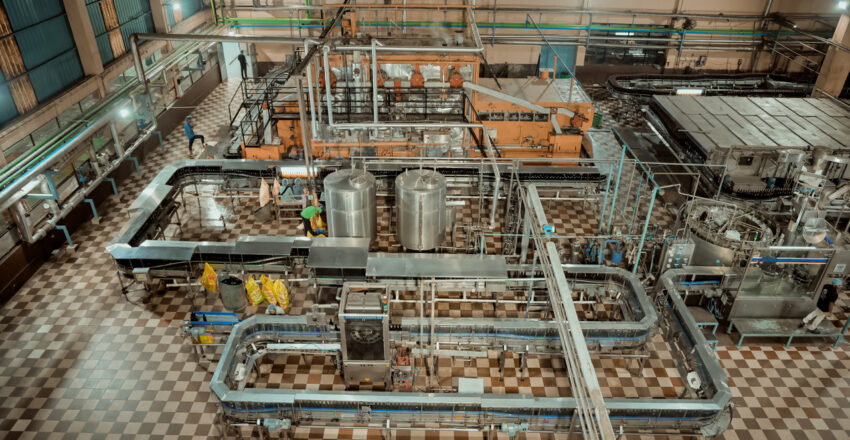
Modern infrastructure is another key factor driving growth. Breweries are investing in advanced production units that ensure efficiency, scalability, and consistent quality. CMJ Breweries, for instance, operates a well-established facility in Meghalaya that supports large-scale contract brewing operations.
The Northeast region is emerging as a strategic hub due to its proximity to international markets like Bhutan and Southeast Asia. This geographic advantage supports faster distribution and opens up cross-border opportunities for breweries.
Diversification and Future Opportunities
Companies are increasingly diversifying into the alcoholic beverages sector due to its scalability and long-term growth potential. Asgard Alcobev’s entry into brewing highlights how businesses are shifting focus toward high-demand industries.
The Indian beer market continues to offer strong opportunities driven by:
- Growing urban population
- Premiumization trends
- Expansion into Tier 2 and Tier 3 cities
- Rising tourism and hospitality demand
The rapid growth of brewery manufacturers in India reflects a dynamic shift in the country’s beverage industry. With strategic acquisitions, infrastructure investments, and rising consumer demand, the sector is poised for sustained expansion. As more companies enter and scale within this space, India is set to become one of the most promising beer markets globally, offering long-term opportunities for both domestic and international players.
India’s alcoholic beverage industry has evolved rapidly over the past decade. Rising urbanization, changing consumer preferences, and stricter quality standards have reshaped how companies operate. Today, an alcohol manufacturer in India is no longer defined only by production capacity but by compliance, consistency, sustainability, and long-term vision. From sourcing raw materials to packaging and distribution, every stage is becoming more structured and professionally managed.
How Alcohol Manufacturing in India Is Maturing
Earlier, alcohol manufacturing in India was largely regional and fragmented, with limited standardization and weak governance practices. Today, the sector is moving toward organized growth supported by stronger governance and improved infrastructure. Regulatory compliance, traceability, and quality control have become central to operations.
Key shifts shaping the industry include:
- Increased focus on process standardization
- Adoption of modern brewing and distillation technologies
- Stronger emphasis on safety and quality certifications
- Greater accountability in supply chains
These changes enable Indian manufacturers to meet growing domestic demand while aligning with global quality benchmarks.
The Role of Integrated Business Models
One of the biggest advantages in today’s manufacturing environment is integration. Companies that operate across multiple verticals gain greater control over quality, cost efficiencies, and production timelines. This is where structured groups with diversified portfolios stand out.
Established in 2007 and based in Meghalaya, CMJ Breweries Private Limited is the largest brewery in Northeast India and specializes in high-capacity contract manufacturing for major brands such as Kingfisher and Carlsberg.
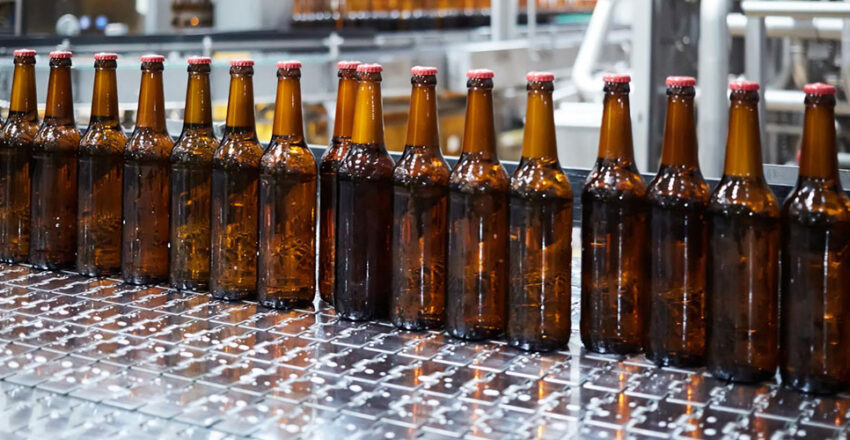
The brewery operates a modern production facility equipped with advanced German machinery, ensuring consistency and scalable production. In 2026, it was acquired by Asgard Alcobev Limited (formerly Banganga Paper Industries Limited), further strengthening regional production capabilities and positioning CMJ Breweries within a broader industrial ecosystem.
Such integration enhances operational control, improves cost efficiencies, and supports sustainable long-term scalability in an increasingly competitive environment.
Contribution of Packaging and Paper Manufacturing
Packaging plays a critical role in the alcohol manufacturing process. From labels and cartons to secondary packaging, the quality of paper products directly impacts brand presentation and logistics.
Banganga Paper Industries Limited supports this ecosystem by meeting packaging requirements through its industrial paper manufacturing operations. A reliable paper supply ensures packaging durability during transportation and storage while maintaining consistent brand identity.
This linkage between beverage manufacturing and paper production highlights the growing interdependence of modern industrial ecosystems.
Compliance and Responsibility in Manufacturing
The alcohol sector operates under strict regulations in India. Manufacturers are required to follow state-specific excise laws, quality norms, and safety guidelines. Companies that prioritize transparency and compliance are better positioned for long-term growth.
Responsible manufacturing today involves:
- Adhering to regulatory frameworks across states
- Maintaining ethical sourcing and production practices
- Ensuring worker safety and process hygiene
- Planning operations with environmental impact in mind
Such practices build trust with authorities, partners, distributors, and investors.
Why Structured Players Stand Out
As competition intensifies, unorganized operators often struggle to sustain long-term growth. Structured companies with long-term strategies, professional leadership, and strong operational backing continue to gain relevance.
Entities like CMJ Breweries Private Limited, supported by the industrial strength of Asgard Alcobev Limited, demonstrate how aligned operations across manufacturing and support services create stability and scalability.
India’s alcohol industry is moving toward a more disciplined and quality-driven future. Companies that invest in compliance, infrastructure, and integrated ecosystems are shaping this transformation. In this evolving environment, a forward-thinking alcohol manufacturer in India is defined not merely by output, but by reliability, responsibility, operational excellence, and the strength of its cross-industry partnerships.