The Indian beer market has seen a measurable shift towards premiumization, with the premium segment growing faster than the overall beer category in recent years. Consumers are increasingly open to international brands, higher quality brews, and differentiated drinking experiences. In this evolving landscape, Carlsberg Beer in India has positioned itself as a strong premium player by focusing on quality, branding, and strategic distribution.
Rather than competing only on price, the brand has built its identity around consistency and global standards, which appeals to urban consumers.
Understanding the Premium Beer Segment in India
The premium beer segment in India is driven by a younger, more experimental audience. This group values taste, brand image, and overall experience over just affordability.
Key characteristics of this segment:
- Preference for international or premium-looking brands
- Willingness to pay more for perceived quality
- Strong influence of branding and packaging
- High consumption in urban cities like Mumbai, Bangalore, and Delhi
To succeed here, brands need more than just product availability. They need a clear positioning.
Carlsberg’s Brand Positioning Strategy
Carlsberg has focused on creating a consistent premium image across all touchpoints. This includes:
- Clean and minimal packaging design
- Strong brand recall through global identity
- Consistent taste profile across markets
The brand avoids aggressive discounting, focusing instead on perceived value. This helps maintain its premium positioning.
Another key factor is communication. The brand keeps messaging simple and focused, which makes it easy for consumers to associate it with quality.
Distribution and Market Presence
One of the biggest advantages for Carlsberg is its strong distribution network. Availability plays a major role in premium product success.
The brand ensures:
- Presence in premium bars and restaurants
- Visibility in modern retail stores
- Strategic placement in high-demand urban locations
At this stage, Carlsberg Beer in India benefits from being available where premium consumers are most likely to make purchase decisions.
Product Portfolio and Variants
Carlsberg has expanded its portfolio to cater to different preferences within the premium segment.
Some key offerings include:
- Smooth lagers for easy consumption
- Stronger variants for markets with higher demand
- Seasonal or limited editions to maintain interest
This variety allows the brand to serve both entry-level premium consumers and more experienced beer drinkers.
Competition and Differentiation
The premium beer segment in India includes strong competitors like Budweiser, Heineken, and Corona. Each brand has its own positioning.
Carlsberg differentiates itself by:
- Maintaining a balance between premium and accessible
- Offering consistent quality rather than niche positioning
- Building long-term brand recall instead of short-term campaigns
This approach helps the brand stay relevant across different consumer groups.
Marketing and Consumer Perception
Carlsberg’s marketing strategy is subtle compared to some competitors. Instead of heavy advertising, it focuses on:
- Brand associations with quality and global standards
- On-ground visibility in premium outlets
- Limited but impactful campaigns
This creates a perception of reliability, which is important in the premium segment.
The Indian beer market is expected to evolve as consumer preferences shift towards quality and experience, though actual developments may vary based on economic and regulatory conditions. Brands that focus on long-term positioning, consistent quality, and strong distribution are generally better placed to navigate this landscape.
By maintaining strong distribution, consistent quality, and clear branding, Carlsberg Beer in India has managed to establish itself as a reliable premium choice. As competition increases, this balanced strategy will play a key role in sustaining its position in the market.
The alcoholic beverage market in India is evolving quickly. All liquor manufacturers in India are adapting to changing consumer behavior, regulations, and distribution models. As we move into 2026, the industry is seeing a mix of premiumisation, regional expansion, and stronger brand positioning.
India is among the fastest-growing alcohol markets globally. Rising disposable income, urbanisation, and changing lifestyle preferences are driving demand across categories like beer, whisky, and craft spirits.
Changing Consumer Preferences
One of the biggest shifts in the industry is in consumer preference. Buyers today are more informed and selective.
Key trends include:
- Growing demand for premium and craft products
- Increased interest in local and regional flavours
- Preference for quality over quantity
- Younger audience experimenting with new categories
This shift is pushing manufacturers to focus more on product innovation and branding rather than just volume sales.
Growth of Regional Markets
While metro cities like Mumbai, Delhi, and Bangalore continue to dominate, Tier 2 and Tier 3 cities are becoming important growth areas.
Reasons for this growth:
- Increasing disposable income in smaller cities
- Improved retail and distribution networks
- Rising exposure to branded products
Manufacturers are now expanding distribution to these regions to tap into new demand pockets.
Distribution and Licensing Challenges
The Indian alcohol industry operates under strict regulations. Each state has its own policies, making distribution complex.
Common challenges include:
- Different licensing requirements across states
- High taxation and excise duties
- Restrictions on advertising
Despite these challenges, companies are finding ways to optimise supply chains and build strong distributor networks.
Role of Branding and Visibility
With restrictions on direct advertising, branding has become more creative.
Strategies being used:
- Surrogate advertising
- Event sponsorships
- Influencer collaborations
- Premium packaging
In this context, understanding market positioning is crucial. A strong brand recall can make a significant difference in competitive markets. Understanding how established liquor manufacturers in India build brand visibility can shape a stronger positioning strategy.
Technology and Manufacturing Advancements
Technology is playing an increasingly important role in production and quality control.
Some key developments:
- Automated brewing and distillation processes
- Improved quality testing systems
- Data-driven demand forecasting
These advancements help manufacturers maintain consistency while scaling production.
Rise of Contract Manufacturing and Partnerships
Many brands are now focusing on partnerships instead of building facilities from scratch.
Benefits include:
- Reduced capital investment
- Faster market entry
- Access to established infrastructure
This model is especially useful for new brands entering the market.
Export Opportunities
Indian liquor brands are also gaining recognition internationally.
Opportunities include:
- Exporting to Southeast Asia and Europe
- Growing demand for Indian whisky and craft spirits
- Competitive pricing compared to global brands
Exports are becoming a strong growth driver for the industry.
Challenges Ahead
Despite growth, the industry faces certain challenges:
- Regulatory uncertainty
- High taxation
- Intense competition
- Changing consumer expectations
Companies that can adapt quickly will have an advantage.
The outlook for the industry in 2026 remains positive, driven by demand, innovation, and expanding markets. Manufacturers that focus on quality, branding, and strategic distribution will be better positioned for growth.
As competition increases, every liquor manufacturer in India will need to balance compliance, creativity, and consistency to stay relevant in this evolving market.
The premium beer segment in India is growing steadily, and Indian beer manufacturers are beginning to shift their focus toward the premium segment. Consumers today are exploring beyond traditional strong beers and are open to trying premium, craft, and international-style options. This change in preference is creating new opportunities for breweries across the country.
Instead of competing only on price, brands are now focusing on quality, branding, and experience. This is shaping the next phase of growth in the Indian beer industry.
Changing Consumer Preferences
Indian consumers, especially in urban markets, are becoming more aware of what they drink. Younger audiences are experimenting with different flavors, brewing styles, and packaging.
Some noticeable trends include:
- Rising demand for craft and premium beers
- Preference for lighter and flavored variants
- Interest in international brewing styles
- Growing importance of brand story and identity
This shift is pushing breweries to rethink their product offerings and positioning.
Expansion of Craft and Microbreweries
The growth of microbreweries in cities like Mumbai, Bangalore, and Pune is influencing the premium segment. These breweries focus on small-batch production, unique flavors, and fresh experiences.
Key factors driving this growth:
- Increased exposure to global beer culture
- Social drinking experiences in brewpubs
- Demand for locally brewed premium options
As a result, established companies are also entering this space by launching craft-style products.
Branding and Packaging Play a Bigger Role
Premium beer is not just about taste. Packaging and branding have become equally important.
Brands are investing in:
- Minimal and modern label designs
- Premium glass bottles and cans
- Storytelling around ingredients and brewing process
This helps create a strong perception of quality, which influences buying decisions.
Distribution and Market Reach
Reaching the right audience is still a challenge in India due to regulatory differences across states. However, brands are finding new ways to expand.
These include:
- Tie-ups with premium restaurants and bars
- Presence in modern retail outlets
- Targeted marketing in metro cities
At this stage, many Indian beer manufacturers are emphasizing selective distribution rather than mass availability to preserve a premium image.
Role of Innovation and Collaboration
Innovation is becoming a key differentiator in the premium segment. Breweries are experimenting with new ingredients, seasonal brews, and collaborations.
Examples include:
- Limited edition flavors
- Collaborations with international brewers
- Use of local ingredients for unique taste profiles
These efforts help brands stand out in a competitive market.
Challenges in the Premium Segment
Despite the growth, there are challenges that brands need to address:
- High taxation and regulatory barriers
- Limited distribution channels in some states
- Price sensitivity among a large segment of consumers
Overcoming these challenges requires a balanced approach between pricing, branding, and accessibility.
The premium beer segment in India is still developing, but the direction is clear. Consumers are becoming more open to trying new products, and brands are responding with better quality and innovation.
As the market evolves, Indian beer manufacturers that prioritize strong branding, consistent quality, and strategic distribution will be better positioned to grow in the premium segment.
Beer manufacturers in India have shown noticeable growth over the past few years. With changing consumer preferences and increasing urban demand, the beer industry is expanding at a steady pace. Younger audiences are exploring new options, and beer is becoming a preferred choice due to its lighter and more social appeal.
This shift is not limited to metro cities. Tier 2 and Tier 3 cities also contribute to the rising demand, making India an important market for beer production and distribution.
Changing Consumer Preferences
One of the main reasons behind this growth is the shift in drinking habits. Consumers today are more open to experimenting with beverages.
Key trends include:
- Preference for low-alcohol drinks
- Increased social drinking culture
- Growing acceptance among younger audiences
- Casual and weekend consumption are on the rise.
Beer fits well into these patterns. It is often seen as a more approachable option compared to stronger alcoholic beverages.
Rise of Craft and Premium Segments
The beer market is no longer limited to traditional brands. Craft breweries and premium segments are gaining attention.
Consumers are now interested in:
- Unique flavors and ingredients
- Small-batch brewing
- Imported and premium labels
- Experience-driven consumption
This has encouraged manufacturers to innovate and diversify their product range.
Expansion of Distribution Channels
Availability plays a major role in growth. Over time, distribution networks have improved significantly.
Some contributing factors:
- Increased retail outlets and licensed stores
- Growth of bars, pubs, and microbreweries
- Better supply chain and logistics
- Entry into new geographic markets
These developments make it easier for consumers to access different beer options.
Investment and Industry Growth
At this stage, beer manufacturers in India are attracting both domestic and international investments. Companies are expanding production capacity and improving infrastructure to meet rising demand.
The industry is also seeing:
- Strategic partnerships and collaborations
- Upgraded manufacturing facilities
- Focus on quality control and consistency
- Expansion into export markets
This level of investment supports long-term growth and stability.
Influence of Urban Lifestyle
Urban lifestyles are also driving beer consumption. Social gatherings, weekend outings, and casual meetups often include beer as a common choice.
Factors influencing this include:
- Work-life balance trends
- Rise of social spaces like cafes and breweries
- Increased disposable income
- Exposure to global drinking culture
These elements contribute to consistent demand across different audience groups.
Regulatory and Market Dynamics
While regulations around alcohol vary across states, the industry continues to adapt. Manufacturers are working within legal frameworks while exploring new opportunities.
Some developments include:
- State-wise expansion strategies
- Focus on compliant marketing and distribution
- Innovation within regulatory limits
This flexibility helps companies sustain growth despite challenges.
The beer industry in India is evolving with changing consumer behavior, improved availability, and increased investments. What was once a limited market is now more diverse and competitive.
As demand continues to rise, beer manufacturers in India are expected to play a key role in shaping the future of the beverage industry, offering more choices and better experiences for consumers.
The Indian beverage industry is witnessing steady expansion, and alcohol suppliers in India are playing an increasingly important role in this evolving ecosystem. Changing consumer preferences, rising disposable incomes, and growing urban demand are shaping the market landscape in 2026.
From a business perspective, the opportunity is no longer limited to volume growth. It is now about building strong supply chains, ensuring consistency, and aligning with market demand across regions.
Today, demand is no longer limited to metro cities. Tier 2 and Tier 3 markets are emerging as key contributors, making distribution strength and operational efficiency more important than ever.
What Is Driving the Demand?
Several factors are contributing to the growing demand across the country.
1. Changing Consumer Preferences
Consumers are now exploring a wider variety of alcoholic beverages. Premium beers, craft spirits, and imported options are gaining popularity. This shift is creating opportunities for suppliers to expand their offerings.
2. Growth of Urban Lifestyle
With more people dining out and socializing, alcohol consumption has become a part of lifestyle experiences. Restaurants, bars, and lounges are increasing their inventory, which directly impacts supplier demand.
3. Rise of Organized Retail
Liquor retail in India is becoming increasingly structured. Modern retail formats and online delivery in some states are improving accessibility, leading to higher consumption.
Expansion Beyond Metro Cities
Earlier, major demand was concentrated in cities like Mumbai, Delhi, and Bangalore. In 2026, smaller cities are contributing significantly.
Reasons include:
- Increasing income levels
- Exposure to global brands
- Expansion of hospitality sectors
- Growing youth population
This shift is pushing alcohol suppliers in India to strengthen their distribution networks and reach new markets efficiently.
Role of Manufacturing and Partnerships
Manufacturing capabilities and strategic partnerships play a key role in meeting demand.
Many suppliers are now:
- Partnering with breweries for contract manufacturing
- Expanding production capacity
- Investing in automated facilities
- Collaborating with international brands
These efforts help maintain consistent supply while improving quality standards.
Regulatory Environment and Challenges
Despite this growth, the industry still faces regulatory complexities. Each state in India has its own rules regarding alcohol production, distribution, and sales.
Common challenges include:
- Licensing requirements
- Tax variations across states
- Distribution restrictions
- Compliance with local laws
Suppliers need to stay updated with these regulations to operate smoothly.
Importance of Strong Distribution Networks
Efficient distribution is critical in the alcohol industry. Delays or disruptions can directly affect sales.
Key focus areas for suppliers:
- Maintaining inventory across regions
- Building relationships with retailers and distributors
- Ensuring timely delivery
- Managing logistics efficiently
A strong network helps suppliers meet demand consistently.
Opportunities for New and Existing Players
The market is not only growing but is also evolving. This creates opportunities for both new entrants and established players.
Some areas of opportunity include:
- Premium and craft alcohol segments
- Regional and local brand expansion
- Export opportunities
- Private label manufacturing
With the right strategy, businesses can tap into multiple revenue streams.
The alcohol industry in India is entering a growth phase driven by demand, lifestyle changes, and market expansion. Suppliers play a key role in ensuring that products reach consumers efficiently and consistently.
As competition increases, alcohol suppliers in India will need to focus on quality, distribution, and partnerships to stay relevant. Businesses that adapt to changing trends and consumer behavior are likely to see sustained growth in the coming years.
The Indian beverage industry is evolving rapidly, and every alcohol manufacturer in India needs to adapt to changing consumer behavior, regulations, and distribution models. In 2026, growth is no longer just about production capacity—it’s about understanding demand patterns, branding, and market positioning.
From premiumization to regional expansion, the industry is witnessing clear shifts that are reshaping how brands operate.
Shift Towards Premium and Craft Segments
Consumers are increasingly moving beyond price-driven choices. There is a noticeable shift towards premium and craft alcohol products.
What this means for brands:
- Higher demand for quality over quantity
- Interest in unique flavors and small-batch production
- Growth of craft beer and artisanal spirits
This trend is especially strong in urban markets like Mumbai, Bangalore, and Delhi, where consumers are more open to experimenting.
Regional Markets Are Driving Growth
Tier 2 and Tier 3 cities in India are becoming key growth drivers for expansion. These markets are seeing increased purchasing power and changing lifestyle preferences.
Key opportunities include:
- Expanding distribution networks beyond metro cities
- Building brand awareness in emerging regions
- Partnering with local distributors for better reach
For many brands, future growth will come from these untapped markets rather than saturated metro areas.
Strong Focus on Branding and Positioning
In a crowded market, product quality alone is no longer sufficient. Branding plays a major role in influencing consumer choices.
Important factors:
- Packaging design that stands out on shelves
- Clear brand story and positioning
- Consistent messaging across platforms
A well-positioned brand is easier to recall and recommend.
Digital and On-Ground Integration
Marketing strategies are becoming increasingly integrated. While direct advertising of alcohol is restricted, brands are finding indirect ways to build visibility.
Some effective approaches:
- Surrogate advertising through lifestyle content
- Event sponsorships and experiences
- Social media engagement with brand storytelling
At this stage, every alcohol manufacturer in India must balance compliance with creative marketing strategies.
Manufacturing and Supply Chain Efficiency
Operational efficiency is emerging as a key focus area. Rising costs and demand fluctuations require better planning.
Brands are focusing on:
- Automation in production processes
- Better inventory management
- Faster distribution cycles
This helps maintain product consistency while reducing operational costs.
Regulatory Awareness is Critical
The alcohol industry in India is highly regulated, and policies vary by state.
Brands need to:
- Stay updated with state-wise regulations
- Plan pricing and distribution accordingly
- Ensure compliance in labeling and promotions
Ignoring regulatory changes can impact both sales and brand reputation.
Sustainability and Responsible Practices
Consumers are becoming more conscious of sustainability. This is influencing how brands operate.
Key areas of focus:
- Eco-friendly packaging
- Responsible sourcing of raw materials
- Reducing production waste
While sustainability is still developing in India, it is expected to grow in importance over the next few years.
The alcohol industry in India is moving towards a more structured and competitive environment. Growth is no longer driven only by volume but by strategy, branding, and operational efficiency.
For any alcohol manufacturer in India, staying updated with these trends is essential to remain relevant and competitive in 2026 and beyond.
The alcoholic beverages industry is expanding rapidly, and the role of a liquor manufacturer in India is becoming increasingly important in shaping this growth. With rising demand, evolving consumer preferences, and improved distribution networks, manufacturers are investing heavily in infrastructure and technology. From large-scale production units to advanced brewing systems, the industry is transitioning into a highly organized and scalable sector.
Infrastructure Driving Industry Growth
Modern infrastructure is at the core of every successful liquor manufacturer. Advanced brewing and distillation units ensure consistent quality, high production capacity, and operational efficiency. Facilities like CMJ Breweries in Northeast India demonstrate how regional infrastructure can support national and international brands.
CMJ Breweries operates as a contract brewing facility and partners with leading brands such as Kingfisher (United Breweries), Carlsberg and Tuborg (Carlsberg India), Asia 72 beer and Golden Eagle (Mohan Meakins) Simba (Sona Beverages Pvt Ltd) and Heman 9000 ( Yuksum Breweries ). This model allows global brands to expand production while leveraging local manufacturing expertise.
Technology and Production Advancements
Technology is playing a crucial role in transforming the liquor industry. Automation, quality control systems, and process optimization tools are enabling manufacturers to scale efficiently. From fermentation control to packaging automation, every stage of production is becoming more precise and data-driven.
In the middle of this transformation, a liquor manufacturer in India is increasingly focusing on innovation and efficiency. The use of modern brewing technologies ensures product consistency while reducing operational costs. This allows companies to meet growing demand without compromising on quality.
Strategic Shifts and Industry Developments
The Indian liquor industry is also witnessing strategic shifts and diversification. Companies are moving from traditional sectors into alcoholic beverages to tap into its high-growth potential.
Recent developments such as the acquisition of CMJ Breweries by Asgard Alcobev highlight this trend. According to reports from The Economic Times and industry publications, the move is expected to strengthen brewing capacity and improve regional market reach.
Additionally, leadership changes are shaping future growth. As reported by Rediff, Asgard Alcobev appointed Ronak Jain as Managing Director to drive strategic realignment and long-term expansion.
Source:
https://money.rediff.com/news/market/asgard-alcobev-appoints-ronak-jain-as-md/44055520260323
This transition reflects a broader industry pattern where businesses are repositioning themselves to capitalize on emerging opportunities in the alcoholic beverages sector.
Market Growth and Future Opportunities
The Indian market offers immense growth potential due to increasing urbanization, rising disposable incomes, and changing lifestyle patterns. Demand for premium products, expansion into Tier 2 and Tier 3 cities, and growth in hospitality and tourism are key drivers.
Companies are also focusing on long-term strategies such as diversification and value creation. Asgard Alcobev’s pivot from paper manufacturing to alcoholic beverages and its relocation to Shillong highlight how businesses are aligning operations with growth markets.
The future of the industry is being shaped by strong infrastructure, advanced technology, and strategic investments. As demand continues to rise, every liquor manufacturer in India will play a critical role in driving innovation and scalability. With ongoing consolidation, leadership changes, and regional expansion, the sector is set to witness sustained long-term growth and global competitiveness.
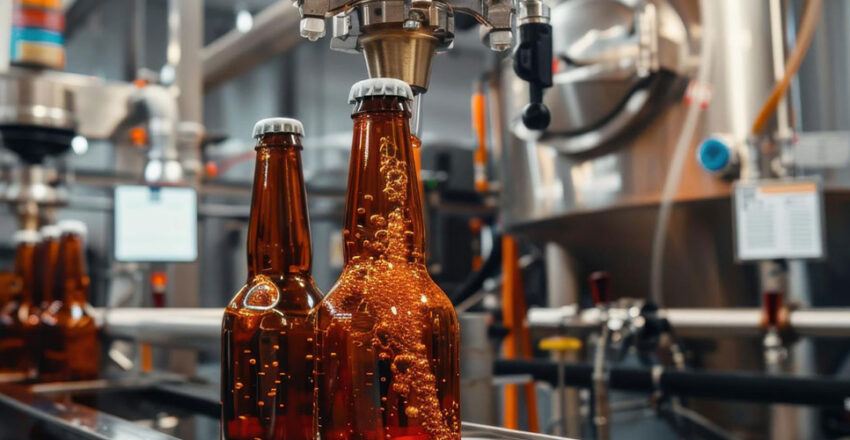
India’s alcohol and brewing sector is witnessing a significant transformation, with every leading beverages company in India focusing on expansion, partnerships, and capacity building. The growing demand for premium beer, evolving consumer preferences, and rapid urbanisation have made the brewing industry one of the most attractive segments for investors. From global giants to regional breweries, companies are increasingly investing in infrastructure, technology, and distribution networks to capture market share.
Rising Demand and Changing Consumer Trends
The Indian consumer landscape is evolving rapidly. Younger audiences are exploring premium and craft beer options, while metro and Tier-2 cities are driving higher consumption. This shift is encouraging companies to diversify their product portfolios and introduce innovative flavors. As disposable incomes increase, consumers are also willing to spend more on quality beverages, making the industry highly lucrative.
Strategic Investments and Industry Consolidation
Recent industry developments highlight how the brewing sector is consolidating through strategic partnerships and acquisitions. According to reports from Moneycontrol and industry publications, Asgard Alcobev has partnered with Brew and Bliss for the production of Golden Eagle Beer. Its subsidiary, CMJ Breweries, will manufacture the product at its Meghalaya-based facility, strengthening its position in the Northeast market.
Source: Moneycontrol
Such collaborations not only enhance production capacity but also ensure better distribution and market penetration. The agreement, which includes a lock-in period and guaranteed quantity commitments, provides stability and long-term growth potential for both companies involved.
Infrastructure and Contract Brewing Advantage
A key factor attracting investments is the rise of contract brewing facilities. Companies are increasingly relying on established players with advanced infrastructure to scale operations efficiently. Facilities like CMJ Breweries are enabling brands to enter new markets without heavy capital expenditure.
Government Policies and Market Potential
Favorable state policies, increasing tourism, and the expansion of hospitality sectors are also contributing to industry growth. States in Northeast India, in particular, are becoming brewing hubs due to logistical advantages and supportive regulations. These factors make it easier for companies to scale operations and improve supply chain efficiency.
Why Investors Are Betting Big
In the middle of this transformation, every major beverages company in India is aligning its strategy towards scalability and long-term growth. The combination of strong demand, evolving consumer behavior, and improved infrastructure is creating a robust ecosystem for investments. Additionally, partnerships like the one between Asgard Alcobev and Mohan Meakins demonstrate how legacy brands and modern brewing facilities can work together to unlock new opportunities.
The Indian brewing industry is entering a high-growth phase driven by innovation, partnerships, and infrastructure development. As more companies invest in production capabilities and regional expansion, the sector is set to become even more competitive and dynamic. With strong fundamentals and increasing investor confidence, the future looks promising for every beverages company in India aiming to establish a dominant presence in this evolving market.