The Indian beverage industry is evolving rapidly, and every alcohol manufacturer in India needs to adapt to changing consumer behavior, regulations, and distribution models. In 2026, growth is no longer just about production capacity—it’s about understanding demand patterns, branding, and market positioning.
From premiumization to regional expansion, the industry is witnessing clear shifts that are reshaping how brands operate.
Shift Towards Premium and Craft Segments
Consumers are increasingly moving beyond price-driven choices. There is a noticeable shift towards premium and craft alcohol products.
What this means for brands:
- Higher demand for quality over quantity
- Interest in unique flavors and small-batch production
- Growth of craft beer and artisanal spirits
This trend is especially strong in urban markets like Mumbai, Bangalore, and Delhi, where consumers are more open to experimenting.
Regional Markets Are Driving Growth
Tier 2 and Tier 3 cities in India are becoming key growth drivers for expansion. These markets are seeing increased purchasing power and changing lifestyle preferences.
Key opportunities include:
- Expanding distribution networks beyond metro cities
- Building brand awareness in emerging regions
- Partnering with local distributors for better reach
For many brands, future growth will come from these untapped markets rather than saturated metro areas.
Strong Focus on Branding and Positioning
In a crowded market, product quality alone is no longer sufficient. Branding plays a major role in influencing consumer choices.
Important factors:
- Packaging design that stands out on shelves
- Clear brand story and positioning
- Consistent messaging across platforms
A well-positioned brand is easier to recall and recommend.
Digital and On-Ground Integration
Marketing strategies are becoming increasingly integrated. While direct advertising of alcohol is restricted, brands are finding indirect ways to build visibility.
Some effective approaches:
- Surrogate advertising through lifestyle content
- Event sponsorships and experiences
- Social media engagement with brand storytelling
At this stage, every alcohol manufacturer in India must balance compliance with creative marketing strategies.
Manufacturing and Supply Chain Efficiency
Operational efficiency is emerging as a key focus area. Rising costs and demand fluctuations require better planning.
Brands are focusing on:
- Automation in production processes
- Better inventory management
- Faster distribution cycles
This helps maintain product consistency while reducing operational costs.
Regulatory Awareness is Critical
The alcohol industry in India is highly regulated, and policies vary by state.
Brands need to:
- Stay updated with state-wise regulations
- Plan pricing and distribution accordingly
- Ensure compliance in labeling and promotions
Ignoring regulatory changes can impact both sales and brand reputation.
Sustainability and Responsible Practices
Consumers are becoming more conscious of sustainability. This is influencing how brands operate.
Key areas of focus:
- Eco-friendly packaging
- Responsible sourcing of raw materials
- Reducing production waste
While sustainability is still developing in India, it is expected to grow in importance over the next few years.
The alcohol industry in India is moving towards a more structured and competitive environment. Growth is no longer driven only by volume but by strategy, branding, and operational efficiency.
For any alcohol manufacturer in India, staying updated with these trends is essential to remain relevant and competitive in 2026 and beyond.
The alcoholic beverages industry is expanding rapidly, and the role of a liquor manufacturer in India is becoming increasingly important in shaping this growth. With rising demand, evolving consumer preferences, and improved distribution networks, manufacturers are investing heavily in infrastructure and technology. From large-scale production units to advanced brewing systems, the industry is transitioning into a highly organized and scalable sector.
Infrastructure Driving Industry Growth
Modern infrastructure is at the core of every successful liquor manufacturer. Advanced brewing and distillation units ensure consistent quality, high production capacity, and operational efficiency. Facilities like CMJ Breweries in Northeast India demonstrate how regional infrastructure can support national and international brands.
CMJ Breweries operates as a contract brewing facility and partners with leading brands such as Kingfisher (United Breweries), Carlsberg and Tuborg (Carlsberg India), Asia 72 beer and Golden Eagle (Mohan Meakins) Simba (Sona Beverages Pvt Ltd) and Heman 9000 ( Yuksum Breweries ). This model allows global brands to expand production while leveraging local manufacturing expertise.
Technology and Production Advancements
Technology is playing a crucial role in transforming the liquor industry. Automation, quality control systems, and process optimization tools are enabling manufacturers to scale efficiently. From fermentation control to packaging automation, every stage of production is becoming more precise and data-driven.
In the middle of this transformation, a liquor manufacturer in India is increasingly focusing on innovation and efficiency. The use of modern brewing technologies ensures product consistency while reducing operational costs. This allows companies to meet growing demand without compromising on quality.
Strategic Shifts and Industry Developments
The Indian liquor industry is also witnessing strategic shifts and diversification. Companies are moving from traditional sectors into alcoholic beverages to tap into its high-growth potential.
Recent developments such as the acquisition of CMJ Breweries by Asgard Alcobev highlight this trend. According to reports from The Economic Times and industry publications, the move is expected to strengthen brewing capacity and improve regional market reach.
Additionally, leadership changes are shaping future growth. As reported by Rediff, Asgard Alcobev appointed Ronak Jain as Managing Director to drive strategic realignment and long-term expansion.
Source:
https://money.rediff.com/news/market/asgard-alcobev-appoints-ronak-jain-as-md/44055520260323
This transition reflects a broader industry pattern where businesses are repositioning themselves to capitalize on emerging opportunities in the alcoholic beverages sector.
Market Growth and Future Opportunities
The Indian market offers immense growth potential due to increasing urbanization, rising disposable incomes, and changing lifestyle patterns. Demand for premium products, expansion into Tier 2 and Tier 3 cities, and growth in hospitality and tourism are key drivers.
Companies are also focusing on long-term strategies such as diversification and value creation. Asgard Alcobev’s pivot from paper manufacturing to alcoholic beverages and its relocation to Shillong highlight how businesses are aligning operations with growth markets.
The future of the industry is being shaped by strong infrastructure, advanced technology, and strategic investments. As demand continues to rise, every liquor manufacturer in India will play a critical role in driving innovation and scalability. With ongoing consolidation, leadership changes, and regional expansion, the sector is set to witness sustained long-term growth and global competitiveness.
Beer Manufacturer in India: How Modern Breweries Are Transforming the Alcohol Industry in 2026
The alcoholic beverage industry in India is undergoing a significant transformation as modern brewing technologies and large-scale infrastructure reshape the sector. Today, every major liquor manufacturer in India is investing in advanced production facilities, automation, and quality control systems to meet growing consumer demand. With beer consumption rising in urban and emerging markets, breweries are upgrading their operations to deliver consistent quality while expanding production capacity.
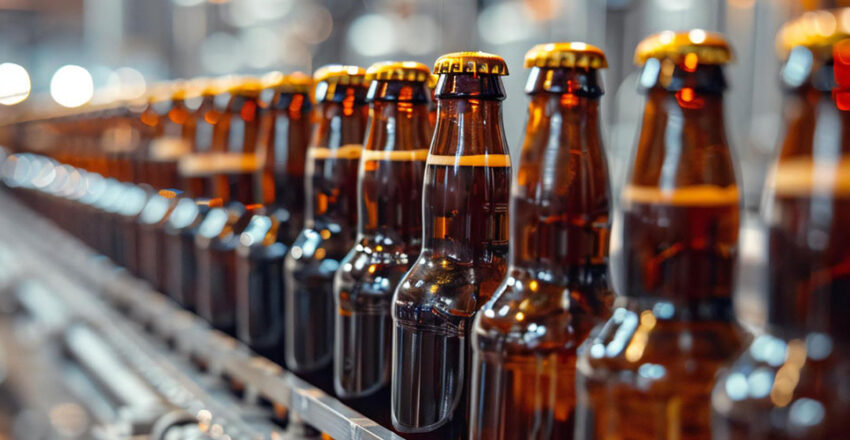
Modern brewing plants now operate with sophisticated equipment that improves efficiency and product consistency. From automated brewing systems to temperature-controlled fermentation tanks, the industry has moved far beyond traditional brewing methods. These innovations allow companies to produce large volumes while maintaining strict quality standards.
Technology and Infrastructure Transforming Breweries
The new generation of breweries in India is designed with modern infrastructure that supports high-volume production and international brewing standards. Modern facilities typically include automated brewhouse, fermentation vessels, filtration systems, and high-speed packaging units.
These advanced production capabilities are helping breweries improve operational efficiency while reducing wastage and production downtime. Many facilities also integrate sustainable practices such as water recycling and energy-efficient brewing processes.
In the middle of this transformation, every beer manufacturer in India is increasingly focusing on scalability, product innovation, and regional market expansion. As consumer preferences shift toward premium beer brands, breweries are investing heavily in technology and infrastructure upgrades to remain competitive.
Industry Expansion and Strategic Acquisitions
The Indian brewing sector has also seen notable consolidation and strategic investments in recent years. Recent industry developments such as the acquisition of CMJ Breweries by Asgard Alcobev highlight the consolidation happening in the Indian brewing sector.
According to Dalal Street Investment Journal, Asgard Alcobev Limited (formerly known as Banganga Paper Industries Limited) has completed the acquisition of 78.90 per cent of the equity share capital of CMJ Breweries Private Limited through a share swap arrangement under the Share Purchase and Share Subscription Agreement (SPSSA) dated 17 February 2026.
Source: Dalal Street Investment Journal
https://insights.dsij.in/dsijarticledetail/asgard-alcobev-limited-formerly-known-as-banganga-paper-indusrires-acquires-7890-stake-in-cmj-breweries-id003-55383
Following this transaction, CMJ Breweries has become a subsidiary of Asgard Alcobev Limited. Incorporated in 2007 and headquartered in Shillong, Meghalaya, CMJ Breweries operates one of the largest brewing facilities in Northeast India and focuses exclusively on beer production.
The company also operates as a contract brewing partner for several Indian and international beer brands. Over the past few years, the company has reported strong financial performance with turnover figures of ₹25,200.19 lakh in FY 2024–25, ₹32,938.60 lakh in FY 2023–24, and ₹45,337.43 lakh in FY 2022–23.
Such developments demonstrate how the role of a liquor manufacturer in India is evolving toward strategic partnerships, capacity expansion, and large-scale brewing operations.
Future Outlook for the Indian Brewing Industry
India’s beer industry is expected to continue expanding as demand rises and new investments enter the sector. Modern brewing technology, improved infrastructure, and strategic acquisitions will shape the future of the industry.
As the sector evolves, every liquor manufacturer in India will need to focus on efficiency, scalability, and innovation to remain competitive. Companies that adopt advanced brewing systems and expand their production capabilities will play a major role in driving the next phase of growth in the Indian alcohol industry.